

Container planting is an easy way to add new plants to your garden while also providing flexibility for location, use, and plant variety. Because containers can be moved to various locations, you are able to rearrange your plants to complement your outdoor space or optimize the growing conditions for your plants.
Another application for container planting is cultivating larger plants like shrubs until they are ready to be planted into the ground. Growing larger plants in containers enables you to establish shrubs and similarly hardy plants to prepare them for success in our colder New Hampshire climate.
Red twig dogwoods are attractive plants to include in your garden year-round. In spring, they have dark green foliage and white flower clusters appear at the end of the branches in late spring and early summer. In fall, the leaves turn a deep red, and in winter the bright red branches create a striking contrast against a snowy landscape.
These shrubs can grow to be quite large, so they are best started in a container and then planted in the ground before they outgrow their pots. When container planting a dogwood, you should choose a plastic or fiberglass container that is at least 24 inches wide and 24 inches deep to insulate the roots against freezing in winter. If the container is a frostproof material, you can leave a potted dogwood outside over the winter.
While growing dogwoods in containers, water them every other day when the plants are actively growing and every day in summer when the weather is hot. Pull back on the amount of water as the weather cools in the fall and the plant naturally prepares to go dormant in the winter. As winter approaches, the soil in the containers should be slightly moist but not completely dry.
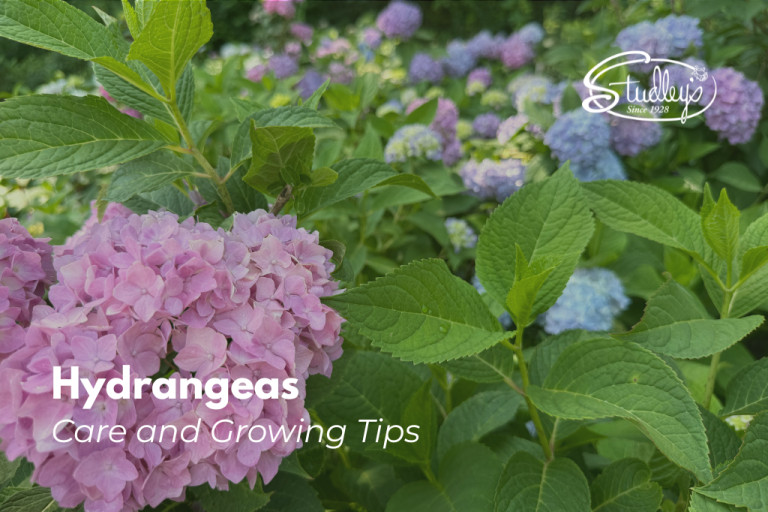
Because hydrangeas come in so many different varieties, you can easily find one that is the right size to fit on your porch, patio, balcony, or any outdoor space. Similar to dogwoods, you can start growing larger hydrangea varieties in containers with the intention of replanting them elsewhere once they grow large enough. No matter your plans for future replanting or the hydrangea variety you choose, selecting a container with drainage holes is a must. Hydrangeas like moist soil, but they will not tolerate standing water. For long-term container planting, large, frost-proof containers are best for protecting the roots in the winter.
The common or purple lilac (syringa vulgaris) is the official flower of the state of New Hampshire, and so is a logical choice for local gardening. Caring for lilacs in containers has many of the same requirements as dogwoods, hydrangeas, and similar sized shrubs. However, lilacs need larger containers compared to the size of the plant because their roots like to spread. Lilacs need cold weather for the flowering buds to mature, so you should leave them outside during the winter. Again, plastic, fiberglass or resin containers that will not absorb water and crack when they freeze are best for ensuring your lilacs are protected through the winter, especially in New Hampshire where we have long stretches of below-freezing temperatures.
Our plant experts at Studley Flower Garden are always ready to answer your questions about container planting, gardening with native plants and anything else you plan to do in your garden. Assemble your plant wish list in Plant Finder or browse our Garden Center in person to see what we have in stock.