
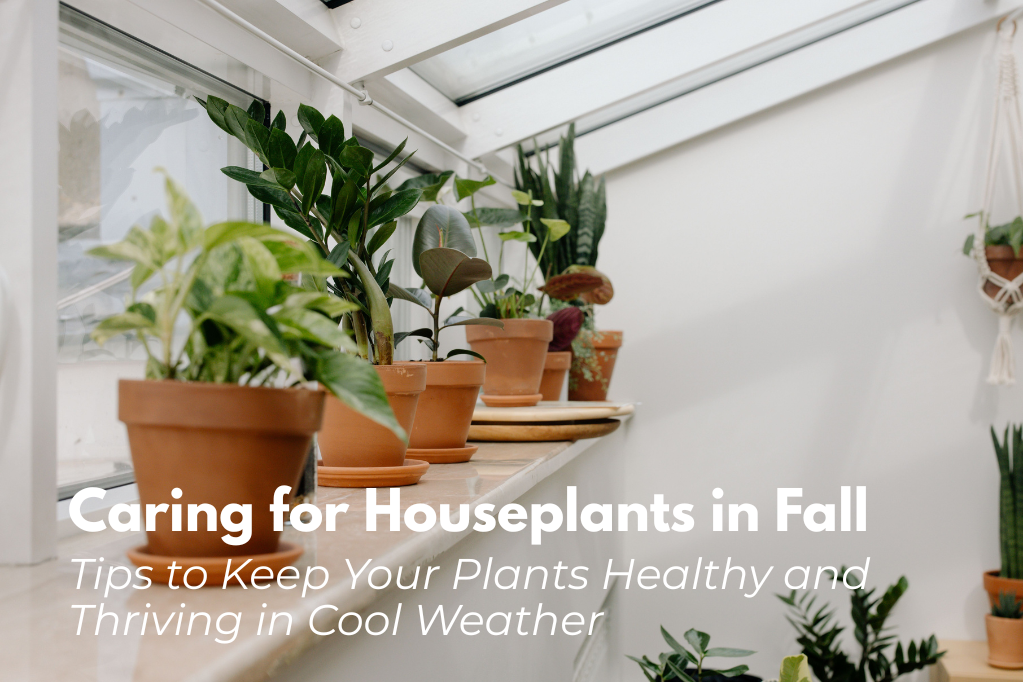
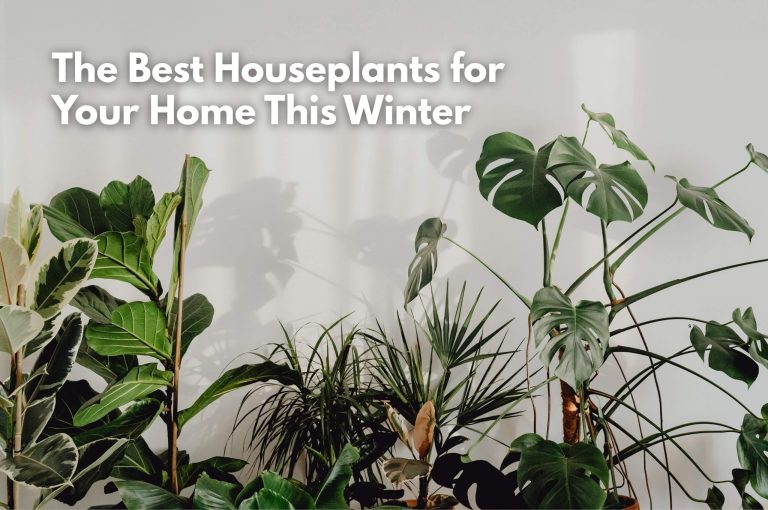
Just like your outdoor plants, your indoor plants also respond to the changing seasons. Fall in New Hampshire means cooler weather and shorter days, and both affect the care your houseplants need. To keep your houseplants healthy and thriving this fall and into the winter, follow these tips for houseplant care through the changing seasons.
Shorter days mean less sunlight streaming through your windows and onto your houseplants. To ensure your houseplants catch as much sunlight as possible, position your houseplants near south- or west-facing windows. Rotate the pots a quarter turn every week to prevent your plants from leaning hard toward the window. Every bit of photosynthesis counts, so remember to dust the leaves at least once a month to keep buildup from blocking any light. (Dusting your plants helps keep your house clean, too!)
As the plants receive less light, they will start to grow more slowly. Slower growth requires less water, so you should adjust your watering schedule accordingly. Wait until the soil is dry at least 1 to 2 inches below the surface before watering again. When in doubt, wait until tomorrow.
When you finally give into the cold and turn the heat on in your home, maintaining the right humidity for your houseplants can be a challenge. Once you turn on the heat, the humidity level in your home can drop below 20%, which is too dry for many houseplants. To keep your plants at a comfortable humidity level, group them together, use pebble trays, or run a humidifier nearby. Also be sure to keep your plants away from radiators, baseboard heaters, and vents to protect them from direct heat sources that can further defuse available humidity.
To capture as much light as possible, we often place houseplants near the windows or on the windowsills. When the weather is warm, the windowsill is a fine place for your plants to grow. However, when temperatures drop, the environmental conditions of windowsill placement can change. If you have an older home or single-pane windows, windowsills can become genuinely cold, especially overnight. Move your plants back from the windows to keep them warm, especially tropical houseplants.
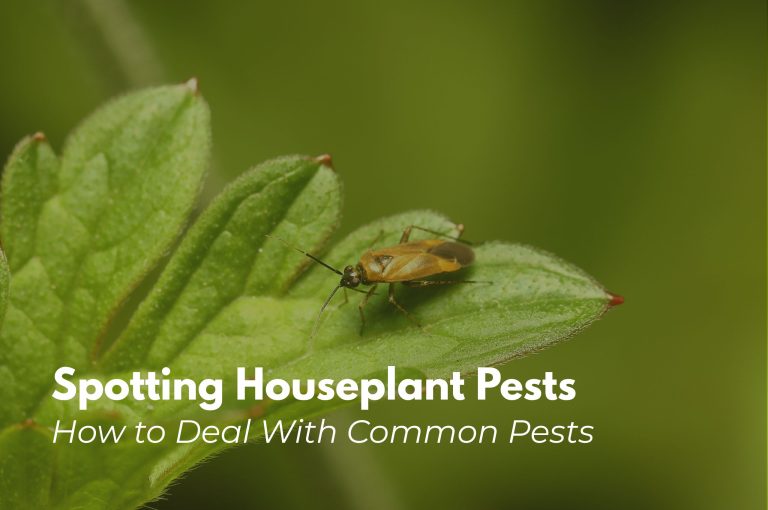
Remember, outdoor container plants should come inside before the first frost. Check them for pests that may have hitched a ride inside to prevent aphids, spider mites, or other pests from spreading to the plants that are already indoors.
Fresh Blooms, Fresh Ideas